
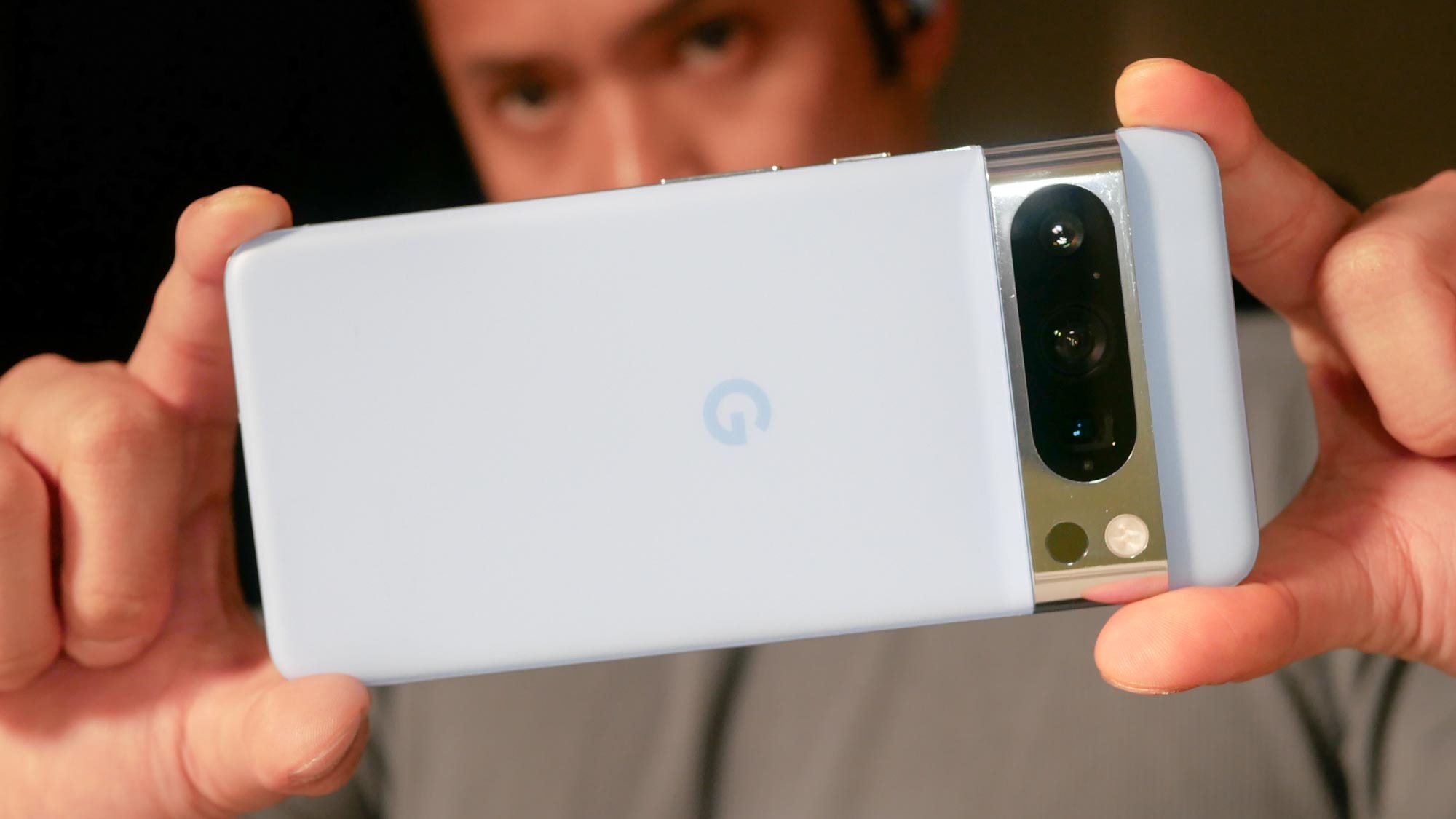
Your smartphone is one of the most personal devices you own. It can hold messages, photos, contacts, location information, work details, financial apps, browsing activity, and years of private conversations. That makes the operating system behind the phone an important part of your overall privacy strategy.
ZeroGhost has entered this space with a simple idea: give people a smartphone configured around privacy rather than data collection. The company sells privacy-configured Google Pixel devices running GrapheneOS, a privacy and security-focused mobile operating system. ZeroGhost currently presents three models—Zero, Stealth, and Blackout—built on different Pixel hardware while emphasizing the same privacy-oriented software approach.
So, what should readers look for in ZeroGhost reviews? More than a star rating. A useful review should explain what the phone actually changes, what GrapheneOS contributes, what users may gain or give up, and what the buyer should verify before ordering.
What Is ZeroGhost?
ZeroGhost is a privacy-focused phone brand that takes Google Pixel smartphones and installs GrapheneOS before sale. According to the company, its phones are manually configured and delivered with guides and tutorials for setting up privacy-focused apps. The current lineup includes the Zero, Stealth, and Blackout models.
The key point is that ZeroGhost is not simply selling a different phone design. The privacy proposition is mainly based on the software configuration and the way the device is prepared.
GrapheneOS is an open-source mobile operating system based on the Android Open Source Project. Its developers focus on strengthening privacy and security while maintaining Android app compatibility. The project includes measures such as improved app sandboxing, exploit mitigations, stronger permission controls, verified boot, and privacy-focused defaults.
This distinction matters when reading ZeroGhost reviews. The security properties should not be credited solely to the ZeroGhost brand. Much of the underlying technical architecture comes from GrapheneOS itself. ZeroGhost’s value is in providing a preconfigured device, support, tutorials, and a convenient purchasing path for people who do not want to install and configure a privacy-oriented operating system themselves.
How Does a ZeroGhost Phone Work?
The basic idea is straightforward. A compatible Google Pixel phone is supplied with GrapheneOS rather than the standard Google Android software configuration. This changes the relationship between the operating system, apps, permissions, and Google services.
GrapheneOS does not bundle Google Play services by default. However, it provides a compatibility layer that lets users install Google Play as sandboxed applications when they need it. According to GrapheneOS documentation, those Play components operate within the normal app sandbox rather than receiving the special privileges they receive on a typical Android installation.
That gives users more control. Someone who wants a minimal Google-free setup can keep the device that way. Another user who depends on selected Android applications can add compatible services with a more limited privilege model.
GrapheneOS also provides a network permission control that can restrict an app’s access to networks. It includes strengthened sandboxing, hardware-backed verification features, enhanced exploit mitigation, and privacy-oriented defaults. These are technical controls intended to reduce attack surface and limit what apps can do.
The result is not a magical “invisible phone.” No smartphone can guarantee that a person is completely untrackable. Cellular networks, websites, apps, account logins, SIM information, and user behavior can still create data trails. The more accurate way to understand ZeroGhost is as a device designed to give users stronger control over the software environment.
What Do ZeroGhost Reviews Suggest?
A good review should separate customer experience from technical capability. ZeroGhost’s own website currently displays verified-customer comments praising the phone, privacy experience, communication, and customer service. Those statements are useful for understanding the type of experience the company highlights, but they are still first-party testimonials rather than independent testing.
That means readers should look at several factors.
First, consider the software. Because the phone runs GrapheneOS, the technical privacy model is substantially different from stock Android. GrapheneOS documents features including hardened app sandboxes, verified boot, exploit mitigations, network permissions, and a privacy-first approach to Google services.
Second, consider convenience. Buying a configured device can be easier than researching supported hardware, installing an operating system, choosing apps, and configuring privacy settings from scratch. This can be especially useful for people who understand the reason for better privacy but do not want a technical installation project.
Third, consider compatibility. Some users depend heavily on Google’s ecosystem, proprietary enterprise tools, banking applications, Android Auto, or apps that expect privileged Google services. GrapheneOS supports many use cases, but compatibility should be checked for the particular apps a buyer considers essential.
Fourth, consider support and after-sale terms. ZeroGhost says it provides setup resources and a 60-day money-back guarantee. Its current terms also state that the original manufacturer warranty is void because the original operating system has been replaced. That is an important detail that belongs in any responsible ZeroGhost review.
Key Benefits of a ZeroGhost Privacy Phone
The biggest potential benefit is greater control. Instead of accepting a default mobile environment, users can choose which services and permissions they want.
Privacy-focused defaults are another advantage. GrapheneOS is designed to avoid bundling Google apps and services by default and provides controls that let users make more deliberate choices about permissions and network access.
Security is also a major part of the appeal. GrapheneOS describes features designed to reduce attack surface, strengthen app isolation, improve verified boot, and protect against exploitation, including some unknown vulnerabilities.
There is also the convenience factor. ZeroGhost handles the preparation and sells the phone as a ready-to-use product. For a non-technical buyer, that may be more approachable than starting with an ordinary Pixel and learning how to install and configure GrapheneOS alone. The company also advertises setup guides and tutorials.
Finally, privacy can be viewed as a long-term digital habit rather than a single feature. A more controlled operating system can encourage users to think carefully about which apps they install, what permissions they grant, and which accounts they connect.
Potential Limitations to Consider
No privacy phone removes every risk, and readers should not confuse reduced data exposure with total anonymity.
App compatibility can be the biggest practical issue. Certain services may depend on Google APIs, device-integrity checks, licensing systems, location frameworks, or other components that behave differently outside standard Android.
There can also be a learning curve. A privacy-focused phone may ask users to understand profiles, permissions, app sources, settings, and the trade-off between convenience and control.
Hardware expectations matter too. ZeroGhost’s lineup uses Pixel-based hardware, and the current site lists different Pixel generations for Zero, Stealth, and Blackout. Buyers should check the exact model, storage, hardware condition, update expectations, carrier compatibility, and included support before placing an order.
Another important consideration is warranty coverage. ZeroGhost’s terms state that replacing the manufacturer’s operating system voids the original manufacturer warranty and that the device is sold without a hardware warranty from the manufacturer. This makes the return policy and support process especially important to review before buying.
Who Might Consider ZeroGhost?
ZeroGhost may appeal to privacy-conscious users who want a ready-to-use device rather than a DIY project. It can also be interesting for professionals who handle sensitive information, creators who want more control over their digital environment, and everyday users who simply want to reduce unnecessary data exposure.
At the same time, it may not be the ideal choice for someone who wants a completely standard Android experience with every Google feature enabled out of the box. Users whose daily workflow depends on specific apps should verify compatibility first.
The most important question is not “Is ZeroGhost the most private phone possible?” It is “Does this setup give me the level of privacy, security, convenience, and app compatibility I actually need?”
How to Evaluate ZeroGhost Reviews Before Buying
Start by checking whether a review explains the underlying operating system instead of repeating marketing phrases. Next, look for details about app compatibility, updates, carrier support, hardware condition, customer support, returns, and warranty terms.
It is also worth checking whether reviewers clearly distinguish the ZeroGhost service from GrapheneOS itself. This helps buyers understand what they are paying for: the phone hardware, the prepared software environment, setup support, educational resources, and the convenience of receiving a configured device.
Finally, compare your own requirements with the phone’s design. Make a short list of essential apps, messaging tools, payment services, navigation tools, work systems, and accessories. A privacy-focused phone only becomes useful when it also works for your daily life.
ZeroGhost Reviews: Final Verdict
ZeroGhost stands out because it turns a technically specialized privacy setup into a consumer-facing smartphone product. The central technology, GrapheneOS, provides a serious privacy and security foundation with features such as sandboxing, permission controls, verified boot, exploit mitigations, and optional sandboxed Google Play.
However, the strongest ZeroGhost review is a balanced one. Buyers should recognize that privacy is a process, not a switch. Your choices of apps, accounts, permissions, networks, and browsing behavior still matter. The phone can improve the foundation, but it cannot eliminate every source of tracking or every security risk.
For people who value stronger mobile privacy and want a prepared device instead of a technical installation project, ZeroGhost is worth researching. Just make the purchase based on your own compatibility needs and the current product, return, support, and warranty terms.
Frequently Asked Questions
Is ZeroGhost a real phone brand?
Yes. ZeroGhost currently markets privacy-configured Google Pixel smartphones with GrapheneOS installed. Its lineup includes Zero, Stealth, and Blackout models.
What operating system does ZeroGhost use?
ZeroGhost phones use GrapheneOS, a privacy and security-focused operating system based on the Android Open Source Project.
Is ZeroGhost completely anonymous?
No. A privacy-focused phone can reduce certain forms of data collection and give users greater control, but no phone guarantees complete anonymity. Cellular networks, websites, apps, account activity, and user behavior can still reveal information.
Can ZeroGhost run Android apps?
GrapheneOS is designed for Android app compatibility. It can also support sandboxed Google Play, allowing Google Play components to run without the special privileges they normally receive on standard Android.
Is ZeroGhost good for non-technical users?
It may be a practical option for users who want a preconfigured privacy phone. ZeroGhost says it provides guides and tutorials to help customers with setup.
Does ZeroGhost offer a money-back guarantee?
The company’s current terms state that it offers a 60-day money-back guarantee, subject to the stated return conditions.
Does installing GrapheneOS affect the manufacturer warranty?
According to ZeroGhost’s current terms, replacing the original operating system voids the manufacturer’s warranty, and ZeroGhost states that its privacy devices do not include a hardware warranty.
Should you buy ZeroGhost?
That depends on your needs. If stronger privacy controls, a prepared GrapheneOS device, and reduced reliance on standard Google services are priorities, it may be worth considering. Before ordering, verify app compatibility and review the current model, pricing, support, return, and warranty details.
Take Back Control of Your Mobile Experience
Your phone should be a tool you control—not a black box you simply accept. ZeroGhost offers a practical route toward a more privacy-conscious mobile setup by combining Pixel hardware with GrapheneOS and a ready-to-use configuration.
Explore ZeroGhost, review the current models and policies, and discover whether a privacy-first smartphone is the right fit for your everyday mobile experience.