
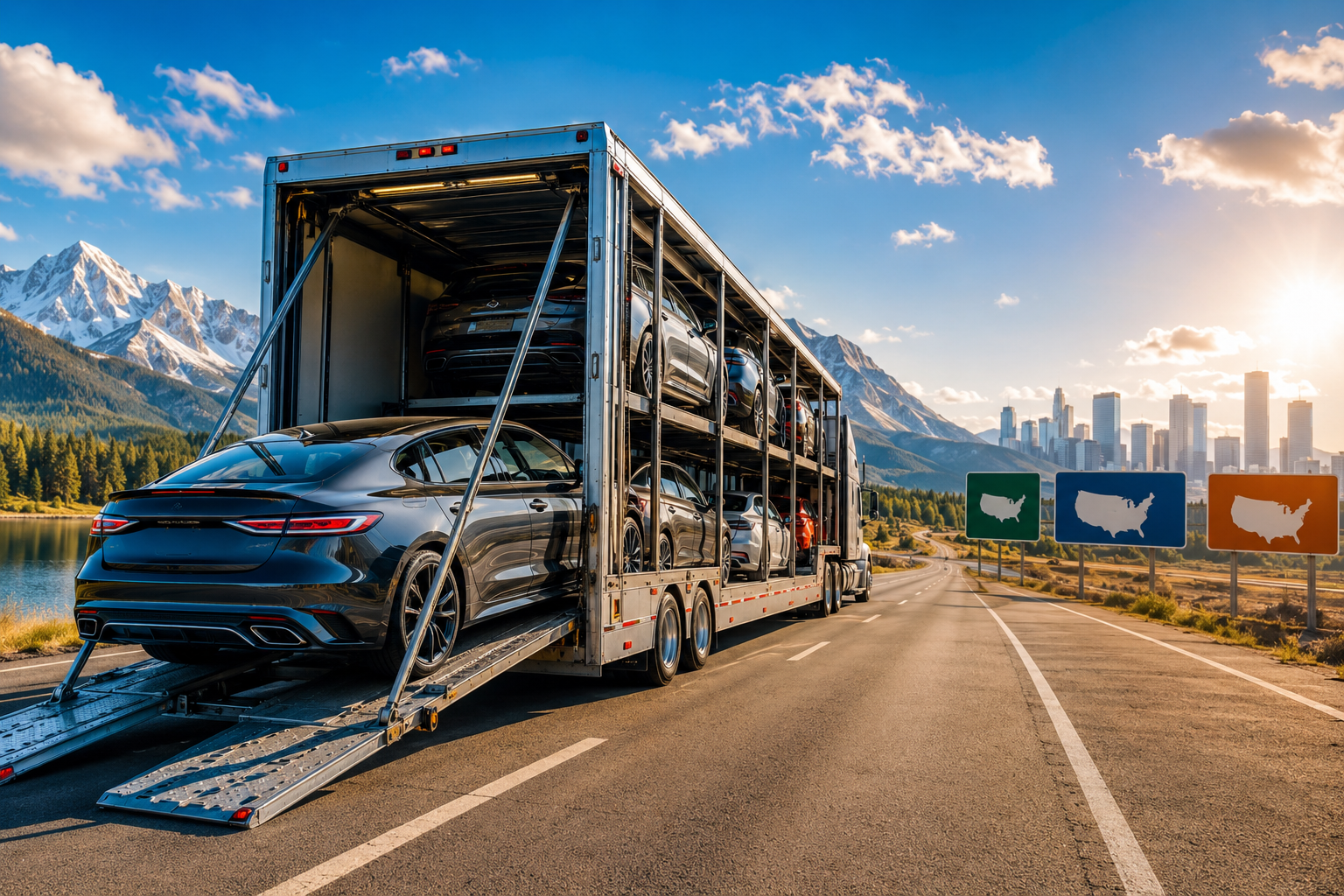
Moving a vehicle across state lines is much easier today thanks to professional auto transport services. Instead of spending days on the road, dealing with fuel expenses, hotel stays, and vehicle wear, many people choose professional shipping companies that specialise in interstate vehicle transportation. Understanding the process before booking helps reduce stress and allows you to make confident decisions.
This guide explains everything you need to know, from preparing your vehicle to selecting the best shipping option, understanding pricing, and avoiding common mistakes. By the end, you’ll know exactly how interstate vehicle shipping works and what to expect throughout the journey.
What Is Shipping a Car to Another State?
Shipping a car to another state refers to transporting a vehicle from one U.S. state to another using a licensed auto transport carrier. Instead of personally driving hundreds or even thousands of miles, a transport company collects the vehicle from the pickup location and delivers it safely to its destination.
This service is commonly used by individuals relocating for work, military personnel receiving new assignments, students attending university, families moving across the country, dealerships transporting inventory, collectors purchasing classic cars, and online vehicle buyers who purchase cars from distant states.
Professional transport reduces mileage, protects the vehicle from unnecessary wear, and saves valuable time while offering flexible pickup and delivery options.
Why People Choose Interstate Vehicle Shipping
Every year, millions of Americans relocate for employment, education, retirement, and family reasons. Rather than making long road trips, many prefer professional transport because it offers convenience and peace of mind.
Common reasons include:
- Relocating to a new home
- Purchasing vehicles from another state
- College students moving between campuses
- Military Permanent Change of Station (PCS)
- Snowbirds travelling seasonally
- Classic and luxury vehicle transportation
- Corporate relocations
- Dealership inventory transfers
Professional carriers also help eliminate concerns about road hazards, unexpected breakdowns, weather delays, and excessive mileage.
How the Interstate Car Shipping Process Works
Understanding each stage makes the experience much smoother.
Request a Quote
The process begins by requesting a transport quote. Basic information usually includes:
- Pickup location
- Delivery location
- Vehicle year
- Make
- Model
- Vehicle condition
- Preferred transport dates
The quote is based on distance, vehicle size, transport type, fuel prices, and seasonal demand.
Schedule Pickup
After accepting the quote, your shipment is scheduled. Most companies coordinate pickup within a few days depending on route availability.
Vehicle Inspection
When the carrier arrives, both parties inspect the vehicle together. Existing scratches, dents, or cosmetic imperfections are documented on the Bill of Lading before loading.
Transportation
Your vehicle is securely loaded onto a transport trailer and begins its interstate journey following scheduled carrier routes.
Delivery Inspection
Upon arrival, another inspection confirms the vehicle’s condition before final delivery is completed.
Open vs Enclosed Auto Transport
One of the biggest decisions involves selecting the appropriate transport method.
Open Transport
Open carriers transport multiple vehicles on exposed trailers and remain the industry’s most popular shipping option. They are cost-effective, widely available, and suitable for most everyday vehicles.
Benefits include:
- Lower overall cost
- Faster scheduling
- Greater nationwide availability
- Ideal for standard cars, SUVs, and trucks
Enclosed Transport
Enclosed trailers completely protect vehicles from rain, snow, road debris, and environmental exposure.
This option is recommended for:
- Luxury vehicles
- Classic automobiles
- Exotic sports cars
- Collector vehicles
- High-value investments
Although enclosed transport costs more, many owners appreciate the additional protection.
Factors That Affect Shipping Costs
No two vehicle shipments cost exactly the same because pricing depends on multiple variables.
Distance
Longer trips generally increase the total transport cost, although the price per mile often decreases as distance increases.
Vehicle Size
Larger SUVs, pickup trucks, and vans occupy more trailer space and weigh more, increasing transportation expenses.
Vehicle Condition
Running vehicles are easier to load than inoperable vehicles, which require specialised equipment and additional labour.
Route Popularity
Major interstate corridors often offer more competitive pricing due to higher carrier availability.
Seasonal Demand
Summer moving season and winter snowbird migrations frequently increase demand, affecting transport rates.
Transport Type
Enclosed shipping typically costs more than open carrier transportation because fewer enclosed trailers operate nationwide.
Preparing Your Vehicle Before Pickup
Preparation helps ensure a smooth pickup and delivery process.
Before your scheduled pickup:
- Wash the vehicle
- Photograph every side of the vehicle
- Remove personal belongings
- Leave approximately one-quarter tank of fuel
- Disable alarm systems
- Check battery condition
- Verify tyre pressure
- Fold mirrors when necessary
- Remove toll passes
- Secure loose accessories
These simple steps help carriers safely load, transport, and unload your vehicle.
Documents Required for Vehicle Shipping
In most situations, relatively few documents are needed.
Common requirements include:
- Valid government-issued identification
- Vehicle registration (if requested)
- Contact information
- Pickup and delivery addresses
- Bill of Lading
- Transport agreement
Certain situations involving financed vehicles, dealerships, or military shipments may require additional paperwork depending on state regulations.
Average Delivery Time for Interstate Vehicle Shipping
One of the first questions customers ask is how long interstate vehicle shipping will take. While every shipment is different, delivery estimates are generally based on distance, traffic conditions, weather, carrier schedules, and the accessibility of pickup and delivery locations. Short regional routes often take only a few days, while coast-to-coast transport naturally requires more time. Professional carriers typically provide an estimated delivery window rather than an exact arrival time because road conditions and logistics can change during transit
Door-to-Door vs Terminal-to-Terminal Shipping
Most customers prefer door-to-door service because it offers maximum convenience. With this option, the carrier collects the vehicle as close to your address as legally and safely possible and delivers it near the destination address. Large transport trailers may occasionally require meeting at a nearby parking lot or open roadway if residential streets are too narrow.
Terminal-to-terminal shipping is another option, although it is less common today. Vehicles are dropped off and collected from designated storage facilities or transport terminals. This method may suit customers with flexible schedules but often requires additional travel and coordination.
Open Carrier or Enclosed Carrier—Which Is Right for You?
Choosing between open and enclosed transport depends largely on the value of the vehicle and your personal preferences. Open transport remains the most popular option because it provides reliable service at a lower cost. Everyday sedans, SUVs, pickup trucks, and family vehicles are commonly shipped this way without issue.
Owners of luxury vehicles, collector cars, antiques, or high-performance sports cars often prefer enclosed transport because it shields the vehicle from weather, road debris, and dust throughout the journey. Although enclosed shipping costs more, the additional protection provides valuable peace of mind for high-value automobiles.
How to Choose a Reliable Auto Transport Company
Selecting the right transport provider is one of the most important decisions you’ll make. A trustworthy company should be transparent about pricing, licensing, insurance, and delivery expectations. Reading customer reviews and asking detailed questions before booking helps you avoid unnecessary surprises later.
Look for companies that offer:
- Clear, written quotes
- Licensed and insured carriers
- Responsive customer support
- Shipment tracking options
- No hidden fees
- Transparent cancellation policies
- Positive customer feedback
- Experience with interstate vehicle transport
Taking time to compare companies before making a decision often leads to a smoother overall experience.
Questions You Should Ask Before Booking
Before confirming your shipment, gather as much information as possible. Understanding the company’s policies helps you know exactly what to expect from pickup through delivery.
Helpful questions include:
- Is the quote fully inclusive?
- What insurance coverage is provided?
- How are pickup dates scheduled?
- Can I track my shipment?
- What happens if weather causes delays?
- Is payment due before or after delivery?
- Are there any additional charges?
- What documents should I prepare?
Clear communication at the beginning often prevents confusion later in the shipping process.
Common Mistakes to Avoid
Many first-time customers unintentionally make mistakes that can delay pickup or create unnecessary stress. Preparing properly before transport makes the process significantly easier.
Avoid these common errors:
- Booking at the last minute
- Leaving valuable personal belongings inside the vehicle
- Forgetting to document the vehicle’s condition
- Ignoring insurance details
- Providing inaccurate pickup information
- Choosing solely based on the lowest price
- Failing to read the transport agreement carefully
Careful planning helps ensure a smooth interstate shipment from beginning to end.
Can You Ship Non-Running Vehicles?
Yes. Many transport companies move vehicles that cannot start or drive under their own power. However, non-operational vehicles require specialised loading equipment such as winches or forklifts, which usually increases transport costs.
When requesting a quote, always disclose the vehicle’s actual condition. Accurate information allows the carrier to send the appropriate equipment and avoid delays during pickup.
Shipping Luxury, Classic, and Exotic Cars
Owners of premium vehicles often have additional concerns about safety and protection. Classic cars, vintage collectibles, luxury sedans, and exotic sports cars benefit from enclosed trailers, experienced drivers, and careful loading procedures designed specifically for valuable automobiles.
Professional companies understand the unique handling requirements of collector vehicles and typically recommend enclosed transport for maximum protection. Ship A1 Auto Transport is one example of a provider that offers solutions designed for customers transporting valuable vehicles across state lines.
Interstate Shipping for Military Members, Students, and Families
Interstate vehicle transport serves many different groups of people. Military personnel frequently ship vehicles during Permanent Change of Station assignments, while students often require transportation between home and university. Families relocating for employment or retirement also benefit from professional vehicle shipping because it reduces travel stress and allows them to focus on the move itself.
Business owners, dealerships, and online vehicle buyers similarly rely on professional transport services to move vehicles efficiently between states.