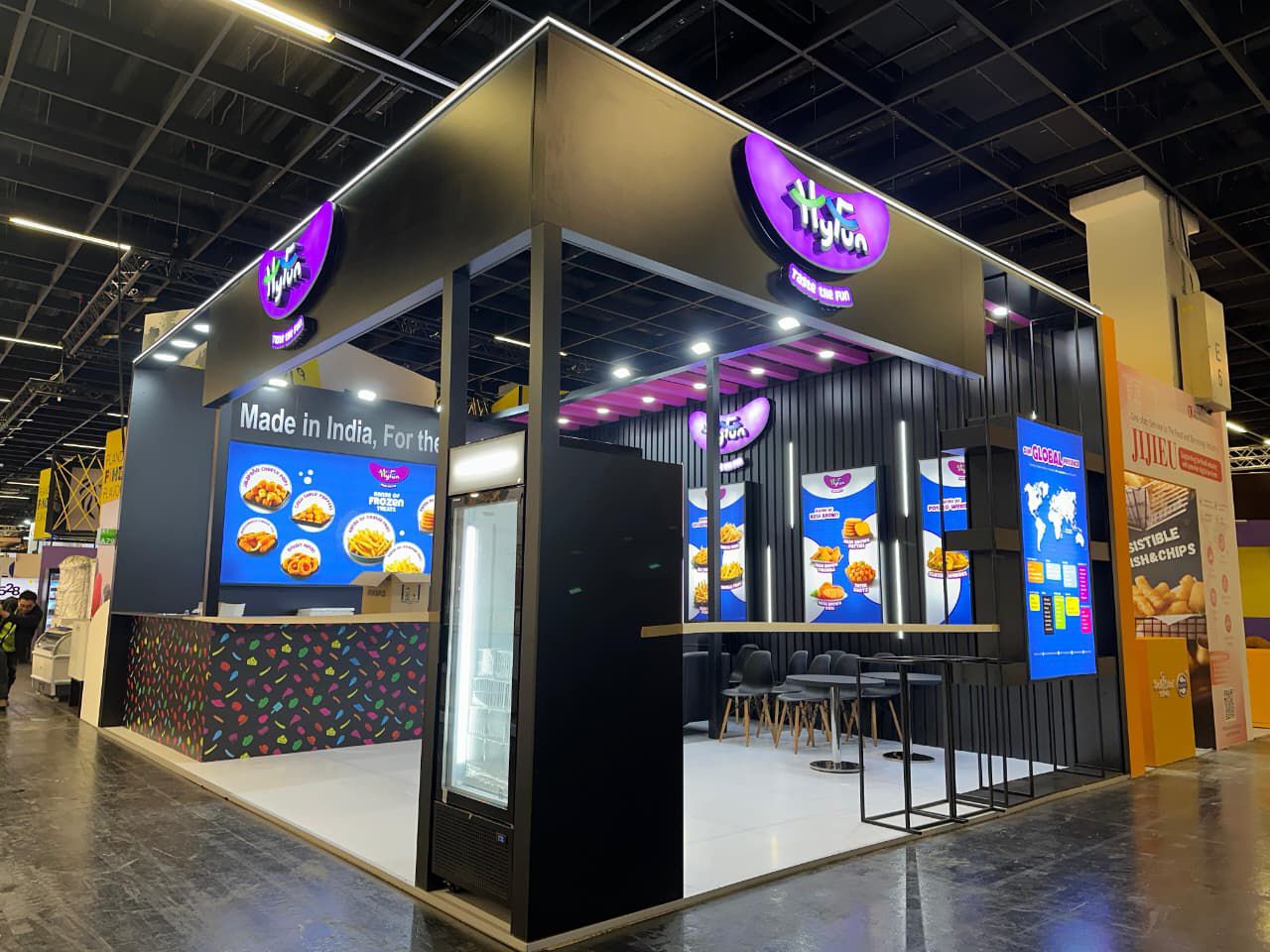
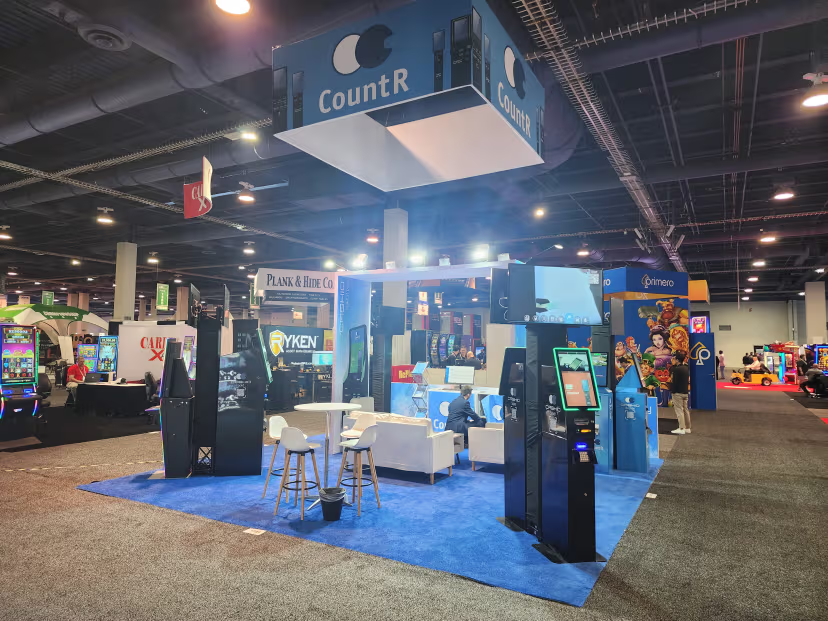
Germany is one of the world’s most prominent exhibition and trade fair destinations, hosting internationally renowned events such as Hannover Messe, IFA Berlin, Bauma Munich, Anuga Cologne, and many more. Exhibiting in Germany offers businesses a powerful platform to showcase products, connect with global buyers, and strengthen brand visibility. However, success at these exhibitions heavily depends on one crucial factor — effective exhibition booth design.
This guide provides a comprehensive overview of exhibition booth design in Germany, covering key elements, trends, regulations, and practical tips to help exhibitors stand out in a highly competitive environment.
Why Exhibition Booth Design Matters in Germany
German trade fairs are known for their professionalism, high standards, and international audiences. Visitors expect innovation, clarity, and functionality. A poorly designed booth can easily get lost among hundreds of competitors, while a strategically designed booth can:
-
Attract high-quality footfall
-
Communicate brand values clearly
-
Increase visitor engagement
-
Generate qualified leads
-
Enhance brand credibility
In Germany, where design precision and engineering excellence are highly valued, your exhibition booth must reflect quality, innovation, and trust.
Understanding the German Exhibition Landscape
Before designing a booth, it’s essential to understand the German exhibition environment:
-
Highly competitive: Exhibitors from across the globe participate.
-
Diverse industries: Automotive, industrial manufacturing, IT, healthcare, food & beverage, renewable energy, and more.
-
Well-informed visitors: Attendees often come with specific business objectives.
-
Strict regulations: German exhibition halls follow precise safety, height, and construction guidelines.
A booth designed without considering these factors may fail to achieve its objectives.
Key Elements of Successful Exhibition Booth Design in Germany
1. Clear Brand Messaging
Your booth should immediately communicate who you are and what you offer. German visitors appreciate clarity and functionality over excessive decoration.
Best practices:
-
Prominent logo placement
-
Simple, impactful headlines
-
Clear product or service positioning
-
Consistent brand colors and fonts
Avoid cluttered visuals or confusing messaging.
2. Functional Layout and Space Utilization
Efficient use of space is crucial, especially in popular German trade fairs where booth sizes vary.
Layout considerations include:
-
Open and inviting entrance
-
Clear visitor flow
-
Separate areas for product display, meetings, and storage
-
Comfortable seating for business discussions
German exhibitors often favor structured and well-organized booth layouts that enhance visitor experience.
3. High-Quality Materials and Build Standards
Germany is known for its high-quality standards. Exhibition booth construction must reflect durability, precision, and professionalism.
Commonly used materials:
-
Wood and MDF for bespoke booths
-
Aluminum frames for modular systems
-
Glass elements for a modern look
-
Sustainable and recyclable materials
Using premium materials builds trust and aligns with the expectations of German and European audiences.
4. Lighting Design
Lighting plays a critical role in highlighting products and creating ambiance.
Effective lighting strategies:
-
Spotlights for product focus
-
LED lighting for energy efficiency
-
Backlit graphics for visual impact
-
Neutral white lighting preferred over harsh colors
Good lighting can significantly improve booth visibility and visitor engagement.
5. Technology Integration
German exhibitions are technology-driven. Incorporating digital elements enhances interaction and information sharing.
Popular technology features include:
-
LED video walls
-
Touchscreen displays
-
Product demos and simulations
-
Augmented or virtual reality
-
Interactive presentations
Technology should support your message, not distract from it.
Types of Exhibition Booth Designs in Germany
1. Modular Exhibition Booths
Modular booths are widely used in Germany due to their flexibility and cost efficiency.
Advantages:
-
Easy installation and dismantling
-
Reusable for multiple exhibitions
-
Budget-friendly
-
Customizable with graphics and accessories
Ideal for companies participating in multiple trade fairs.
2. Custom (Bespoke) Exhibition Booths
Custom booths are designed specifically for a brand and event.
Advantages:
-
Unique and distinctive design
-
Maximum brand impact
-
Tailored visitor experience
Bespoke exhibition booth design in Germany is preferred by brands looking to make a strong statement.
3. Hybrid Booths
Hybrid booths combine modular structures with custom elements.
Advantages:
-
Balance between cost and creativity
-
Flexible design
-
High visual appeal
This option is increasingly popular among international exhibitors.
Latest Exhibition Booth Design Trends in Germany
Sustainability and Eco-Friendly Design
Sustainability is a major focus in Germany. Many exhibitors now opt for:
-
Reusable booth structures
-
Eco-friendly materials
-
Energy-efficient lighting
-
Minimal waste designs
Eco-conscious booth design not only meets regulations but also enhances brand image.
Minimalist and Clean Design
German design aesthetics often favor minimalism. Clean lines, open spaces, and functional design create a professional impression.
Interactive Experiences
Hands-on demonstrations, digital interaction, and immersive experiences are increasingly important to attract visitors.
Open and Transparent Structures
Open booth designs with glass walls or minimal barriers encourage visitors to enter and engage.
Exhibition Booth Design Regulations in Germany
German exhibition venues enforce strict guidelines. Common regulations include:
-
Maximum booth height restrictions
-
Fire-resistant materials
-
Electrical safety standards
-
Load-bearing limits
-
Approval of booth plans by exhibition organizers
Working with an experienced exhibition booth designer or contractor in Germany helps ensure full compliance and avoids last-minute issues.
Choosing the Right Exhibition Booth Design Company in Germany
Selecting a reliable booth design partner is essential for success.
Key factors to consider:
-
Experience in German exhibitions
-
In-house design and manufacturing
-
Knowledge of local regulations
-
Turnkey services (design, build, installation, dismantling)
-
Strong portfolio and client testimonials
A professional exhibition booth builder can manage logistics, approvals, and on-site support efficiently.
Tips for Exhibitors Participating in German Trade Fairs
-
Start planning early (at least 6–8 months in advance)
-
Define clear exhibition goals
-
Invest in professional booth design
-
Train booth staff for effective engagement
-
Focus on lead capture and follow-up strategy
Preparation and planning are key to maximizing ROI at German exhibitions.
Conclusion
Exhibition booth design in Germany is more than just aesthetics — it is a strategic tool that influences brand perception, visitor engagement, and business success. With Germany hosting some of the world’s most influential trade fairs, exhibitors must invest in well-planned, high-quality, and regulation-compliant booth designs.
By focusing on clear messaging, functional layouts, premium materials, modern technology, and sustainability, exhibitors can create impactful booths that stand out in Germany’s competitive exhibition landscape. Partnering with an experienced exhibition booth design company ensures smooth execution and helps turn exhibition participation into a powerful growth opportunity.