What is Employee Lifecycle Management?
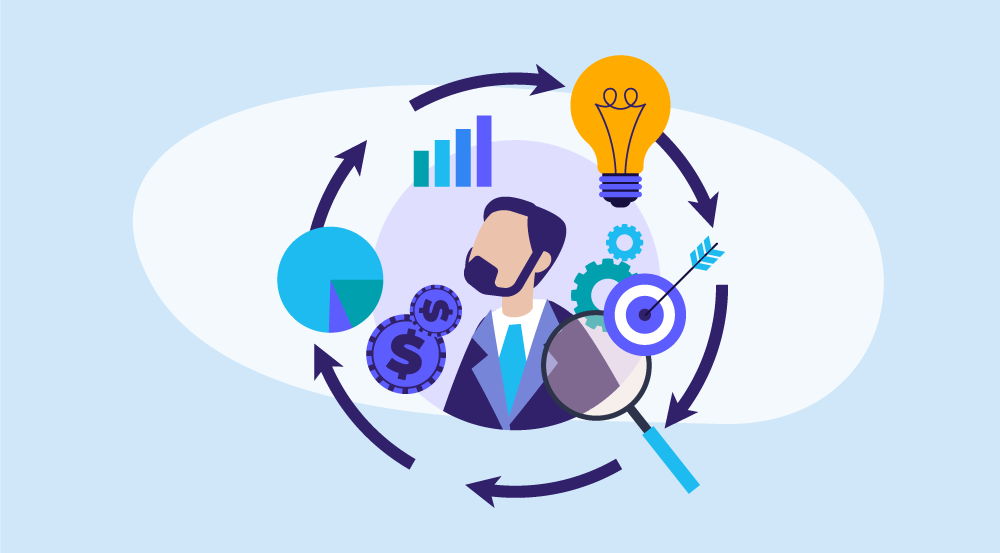
Organizations today understand that employee success directly impacts business performance. From the moment a candidate applies for a job until they leave the company, every interaction shapes their experience and productivity. This entire journey is known as employee lifecycle management.
Employee lifecycle management refers to the process of managing employees through every stage of their employment. It involves attracting talent, onboarding new hires, supporting employee development, improving engagement, and ensuring smooth transitions when employees exit the organization.
Businesses that implement effective employee lifecycle management strategies can create a positive workplace culture, improve employee satisfaction, and achieve higher retention rates.
Why is Employee Lifecycle Management Important?
Employees are among the most valuable assets of any organization. When companies focus on optimizing every stage of the employee journey, they create an environment where employees can perform at their best.
Some key benefits of employee lifecycle management include:
- Improved employee engagement
- Higher productivity levels
- Better employee retention
- Stronger employer branding
- Enhanced workforce planning
- Increased business efficiency
Companies looking for the best employee life cycle management practices often prioritize employee experience, communication, and continuous improvement across all stages of employment.
The Key Stages of Employee Lifecycle Management
Understanding the different stages of the employee lifecycle helps organizations develop effective workforce strategies.
1. Attraction
The employee journey begins before a candidate even applies for a position. During the attraction stage, organizations focus on building a strong employer brand and showcasing their company culture.
To attract top talent, businesses often:
- Create engaging job descriptions
- Maintain a strong online presence
- Highlight employee benefits
- Promote workplace culture
- Participate in recruitment events
A positive employer reputation can significantly improve recruitment outcomes.
2. Recruitment
Once potential candidates are interested, the recruitment process begins. This stage involves sourcing, screening, interviewing, and selecting the right candidates.
Effective recruitment strategies help organizations:
- Identify qualified candidates
- Reduce hiring costs
- Improve hiring quality
- Accelerate time-to-fill positions
Recruitment plays a crucial role in employee lifecycle management because hiring the right people lays the foundation for long-term success.
3. Onboarding
The onboarding stage helps new employees adapt to their roles, teams, and organizational culture.
Successful onboarding programs typically include:
- Orientation sessions
- Training programs
- Goal-setting discussions
- Compliance documentation
- Team introductions
A structured onboarding process improves employee confidence and increases the likelihood of long-term retention.
4. Development and Growth
Employee development is one of the most important stages of the lifecycle. Organizations that invest in employee growth often experience higher engagement and productivity.
Development initiatives may include:
- Skills training
- Leadership programs
- Mentorship opportunities
- Career planning
- Professional certifications
Providing continuous learning opportunities helps employees stay motivated while supporting organizational growth.
5. Engagement and Retention
Employee engagement measures how emotionally connected employees feel to their work and organization.
Companies can improve engagement by:
- Recognizing employee achievements
- Encouraging open communication
- Offering flexible work options
- Supporting work-life balance
- Providing growth opportunities
Strong engagement strategies are a critical component of the best employee life cycle management approach because engaged employees are more likely to remain committed to the organization.
6. Performance Management
Performance management involves evaluating employee contributions and aligning individual goals with organizational objectives.
Effective performance management includes:
- Regular feedback
- Performance reviews
- Goal tracking
- Coaching sessions
- Recognition programs
Continuous feedback helps employees understand expectations and improve performance over time.
7. Offboarding
Eventually, employees may leave the organization due to retirement, career changes, or other opportunities. A structured offboarding process ensures a smooth transition for both the employee and the company.
Offboarding activities may include:
- Exit interviews
- Knowledge transfer
- Equipment collection
- Final payroll processing
- Compliance documentation
A positive offboarding experience can strengthen employer reputation and maintain valuable professional relationships.
Best Practices for Employee Lifecycle Management
Organizations seeking the best employee life cycle management strategy should focus on creating a seamless employee experience across all stages.
Some proven best practices include:
Prioritize Employee Experience
Every interaction throughout the employee journey should contribute to a positive experience. Happy employees are more productive and loyal.
Use Data for Decision-Making
Workforce analytics can help identify trends, monitor employee satisfaction, and improve lifecycle strategies.
Encourage Continuous Feedback
Regular communication allows organizations to address concerns before they become major issues.
Invest in Learning and Development
Providing career growth opportunities keeps employees engaged and prepares them for future responsibilities.
Automate Administrative Processes
Technology can streamline tasks such as onboarding, attendance tracking, performance reviews, and employee record management.
Conclusion
Employee lifecycle management is more than just an HR process—it’s a strategic approach to creating a positive and productive employee experience. By effectively managing every stage, from attraction and recruitment to development and offboarding, organizations can build stronger teams and achieve sustainable growth.
Businesses that adopt the best employee life cycle management practices are better positioned to attract top talent, improve retention, increase engagement, and create a workplace where employees can thrive. As workforce expectations continue to evolve, investing in employee lifecycle management will remain a key factor in long-term organizational success.