
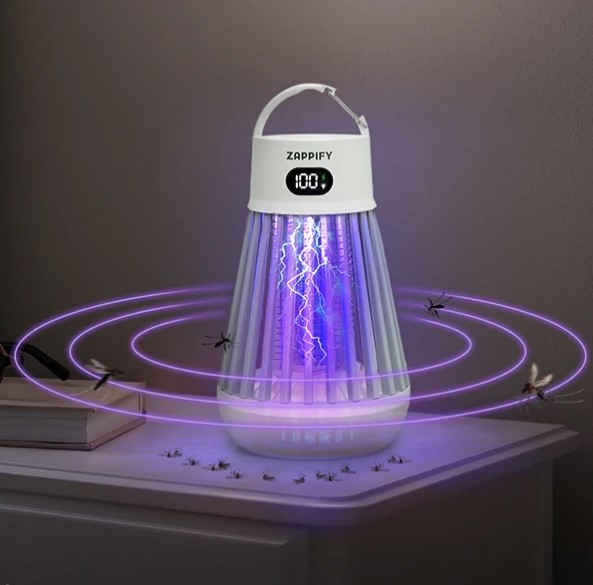
Flying insects can quickly make both indoor and outdoor spaces uncomfortable. Whether it is mosquitoes, flies, gnats, or other small flying pests, finding a practical way to manage them is often a priority for homeowners and anyone who enjoys spending time in a comfortable environment. This is where electric bug zappers have become a popular option.
ZapShield is designed as a bug-zapping solution that aims to help attract and eliminate flying insects without relying on traditional chemical sprays. But how does it work, and what should you know before deciding whether this type of device is right for your needs?
Looking for a reliable bug zapper? ZapShield helps attract and eliminate flying insects, making it easier to enjoy a more comfortable environment.
In this guide, we take a closer look at ZapShield, how bug zappers generally work, the features buyers may want to consider, and the practical steps that can help you get the best results.
What Is ZapShield?
ZapShield is a bug-zapping device designed to help manage flying insects in areas where they can become a nuisance. The basic idea behind this type of product is simple: use an attractive light source to draw certain flying insects toward the device, where an electric grid can eliminate them.
For people who prefer an alternative to repeatedly using sprays, a bug zapper can offer a convenient addition to an overall insect-management routine. It can be especially useful in areas where flying insects regularly gather, such as patios, porches, garages, kitchens, or other suitable spaces.
However, like any pest-control product, expectations are important. No single device can guarantee that every insect in every environment will disappear. The results can depend on the type of insects present, the placement of the device, nearby light sources, and environmental conditions.
Understanding these factors can help you make a more informed decision.
How Does ZapShield Work?
The working principle behind an electric bug zapper is relatively straightforward. While individual products can differ in design and features, many devices use a similar process.
1. A Light Helps Attract Flying Insects
Many bug zappers use a specialized light source intended to attract certain flying insects. Insects may be drawn toward the light depending on their species and the surrounding environment.
The effectiveness of the attraction can vary. Some insects respond more strongly to particular wavelengths of light than others. This is one reason why a bug zapper may perform differently from one location to another.
2. Insects Move Toward the Device
Once attracted to the device, insects may fly closer to the protected electric grid. The design of the housing helps keep the electrical components contained while allowing flying insects to reach the active area.
Proper placement plays an important role at this stage. If the device is competing with several brighter light sources nearby, its ability to attract insects may be reduced.
3. The Electric Grid Eliminates the Insects
When an insect comes into contact with the electrified grid, the electrical current eliminates it. The insect then falls into a collection area or away from the active grid, depending on the design.
This approach does not depend on repeatedly applying chemical sprays to the surrounding area.
4. The Device Can Be Cleaned and Maintained
Like other insect-control devices, a bug zapper should be maintained regularly. Removing insect debris and following the manufacturer’s cleaning and safety instructions can help support consistent operation.
Before cleaning any electrical device, it is important to turn it off and disconnect it from power when appropriate.
Why Are Bug Zappers Popular?
Bug zappers have been around for many years, but they continue to attract attention because of their simple operating concept. Instead of applying a product directly to a surface or the air, the device is designed to attract flying insects toward a central unit.
Some of the reasons people consider this type of product include:
- A hands-free approach to managing certain flying insects
- Reduced reliance on chemical sprays
- A simple operating concept
- Potential usefulness in suitable indoor or outdoor spaces
- The ability to add another layer to an overall pest-management strategy
For many households, convenience is a major consideration. Once a device is placed correctly and powered according to its instructions, it can continue operating without requiring constant attention.
ZapShield Reviews: What Should You Consider?
When reading ZapShield reviews or researching any bug zapper, it is helpful to look beyond a simple question of whether the product is “good” or “bad.” A better approach is to consider whether the device matches your particular environment and expectations.
Here are several important factors to consider.
The Type of Flying Insects in Your Area
Different insects behave differently. A device that attracts one type of flying insect effectively may not have the same effect on another.
Before choosing a bug zapper, consider the insects that are causing the problem. Flies, moths, mosquitoes, and gnats can have different attraction patterns.
Where You Plan to Use It
Location matters. An insect-control device should be used according to its intended environment and the manufacturer’s instructions.
For example, a covered patio may have different conditions than an open garden. Similarly, an indoor area may have competing light sources that affect how insects move around the space.
Thinking about placement before using the device can make a meaningful difference.
The Size of the Area
Every insect-control product has practical limitations. A compact device may be suitable for a smaller area, while a larger space may require a different approach.
Rather than expecting one unit to solve every insect problem, consider the size and layout of the area where flying insects are most active.
Ease of Cleaning
Insects and debris can accumulate over time. A design that allows safe and straightforward cleaning can make regular maintenance easier.
Always follow the recommended cleaning procedures and avoid touching electrical components.
Safety Features and Instructions
Electrical devices should always be used responsibly. Before using any bug zapper, review the manufacturer’s instructions regarding placement, power use, cleaning, and safety.
Keep the device away from situations where it could create an unnecessary risk, and make sure it is used only as intended.
The Benefits of a Chemical-Free Approach
One of the reasons many people explore electric bug zappers is the desire to reduce their dependence on chemical sprays.
Traditional insect sprays can be useful in certain situations, but they may require repeated application. A zapper works differently by creating a fixed point designed to attract certain flying insects.
A chemical-free approach can offer several practical advantages:
Less frequent spraying: There may be less need to repeatedly apply insect sprays in the immediate area.
Hands-free operation: Once properly set up, the device can operate without continuous manual effort.
A focused solution: The device is designed to work in a specific location rather than requiring treatment across a large surface.
Of course, an electric bug zapper is not necessarily a complete replacement for every other pest-management method. Removing standing water, keeping food covered, cleaning waste areas, and maintaining screens can all contribute to a more comprehensive approach.
How to Get Better Results From a Bug Zapper
A bug zapper’s placement and maintenance can influence its performance. Here are some general tips to consider.
Choose the Right Location
Place the device in an area where flying insects are active while following all safety instructions. Avoid placing it in a location where other bright lights may overpower the device’s attraction source.
Consider the Height
The ideal placement height can depend on the product and the target insects. Always refer to the manufacturer’s instructions for recommended installation or positioning.
Keep It Away From Food Preparation Areas
Because insects and debris may come into contact with the device, it is generally sensible to keep insect-control equipment away from food preparation and serving areas.
Give It Time to Work
Insect activity can change throughout the day and night. Allowing a device to operate consistently during periods of high insect activity may provide a clearer picture of its usefulness.
Clean the Device Regularly
A buildup of debris can affect the condition of the device. Regular cleaning, performed according to the manufacturer’s instructions, can help maintain the unit.
Who May Find ZapShield Useful?
ZapShield may appeal to people looking for a convenient way to manage flying insects in suitable environments. It can be particularly relevant for those who want to explore an alternative to frequent chemical spraying.
Potential users may include:
- Homeowners dealing with occasional flying insects
- People who spend time on patios or in covered outdoor spaces
- Those looking for a hands-free insect-management option
- Individuals who want to add another tool to their pest-control routine
The best results often come from matching the product to the right situation. A device should be selected based on the environment, the types of insects involved, and realistic expectations about what one unit can accomplish.
Common Misconceptions About Bug Zappers
There are several misconceptions about electric bug zappers that are worth addressing.
“A Bug Zapper Will Eliminate Every Insect”
No device can realistically guarantee the elimination of every flying insect in a large or constantly changing environment. Insects can enter from different locations, and new insects may continue to appear.
A bug zapper is best viewed as one tool that may help reduce the presence of certain flying insects.
“All Flying Insects Are Attracted to the Same Light”
Different insect species respond differently to light and other environmental cues. This means performance can vary depending on which insects are present.
“Placement Does Not Matter”
Placement can be one of the most important factors. Competing light, airflow, nearby insect breeding areas, and the layout of the space can all influence results.
“No Maintenance Is Required”
Like any device, a bug zapper benefits from proper care. Regular cleaning and safe handling are important parts of ownership.
ZapShield Reviews: Setting Realistic Expectations
When researching ZapShield reviews, it is helpful to focus on practical questions.
Does the product fit the intended space? Is it designed for the type of environment where you plan to use it? Are you prepared to maintain it properly?
A useful product is not always one that promises to solve every possible problem. Often, the best choice is a product that performs a specific function reliably when used in the right conditions.
For flying insect control, combining multiple strategies can be especially helpful. This may include keeping doors and windows screened, reducing standing water where relevant, maintaining clean waste areas, and using appropriate insect-control devices.
By taking a broader approach, you can create an environment that is less attractive to unwanted insects while using tools such as a bug zapper as an additional line of defense.
What to Know Before Choosing ZapShield
Before making a decision, consider these key points:
Understand your environment. Think about where flying insects are most active and whether the space is suitable for an electric bug zapper.
Check the intended use. Follow product-specific information about where and how the device should be used.
Consider your expectations. A bug zapper can help manage certain flying insects, but it should not be expected to create an insect-free environment under all conditions.
Plan for maintenance. Cleaning and proper handling are part of using an electrical insect-control device.
Use a complete strategy. Combine appropriate devices with good environmental practices for a more effective approach.
Frequently Asked Questions About ZapShield
What is ZapShield?
ZapShield is a bug-zapping solution designed to help attract and eliminate certain flying insects using an electric device.
How does ZapShield work?
It uses an attraction source, such as a specialized light, to draw certain flying insects toward an electric grid where they can be eliminated.
Does ZapShield use chemical sprays?
Electric bug zappers generally work without relying on chemical sprays. Always check the specific product information for details about its design and use.
Can ZapShield eliminate all insects?
No insect-control device can guarantee the elimination of every insect in every environment. Results can vary depending on insect species, placement, and surrounding conditions.
Where should a bug zapper be placed?
Placement should follow the manufacturer’s instructions. In general, the device should be positioned where flying insects are active and where competing lights will not significantly reduce its effectiveness.
How often should the device be cleaned?
Cleaning needs can depend on how frequently the device is used and the amount of insect activity. Follow the product’s maintenance instructions and disconnect power before cleaning when required.
Is a bug zapper suitable for indoor use?
Some models may be designed for indoor use, while others may be intended for specific environments. Always review the manufacturer’s instructions before using any electrical device indoors.
What insects can a bug zapper attract?
The types of insects attracted can vary. Different flying insects respond differently to light and other environmental factors.
Can a bug zapper replace all other pest-control methods?
A bug zapper can be part of an overall pest-management strategy, but additional measures such as sanitation, screens, and reducing insect breeding conditions may also be helpful.
What should I consider before buying ZapShield?
Consider the size of your space, the types of insects you are dealing with, the intended use of the device, safety instructions, maintenance requirements, and your expectations.
Final Thoughts: Is ZapShield Worth Considering?
Managing flying insects does not always require a complicated solution. A bug zapper can provide a straightforward, hands-free way to help reduce certain flying insects in an appropriate environment.
ZapShield is worth exploring for people who want an alternative or addition to traditional insect-control methods. Understanding how the device works, placing it carefully, maintaining it properly, and keeping realistic expectations can all help you decide whether it is suitable for your needs.
The most effective approach to a more comfortable environment is often a thoughtful combination of tools and good habits. Reducing conditions that attract insects while using appropriate control methods can help create a space that is more enjoyable for everyday activities.
Ready to Enjoy a More Comfortable Space?
If flying insects are making your home, patio, or other living areas less enjoyable, consider exploring a practical bug-control solution that fits your environment.
Looking for a reliable bug zapper? ZapShield helps attract and eliminate flying insects, making it easier to enjoy a more comfortable environment.
Take the next step toward a more pleasant, comfortable space and learn more about whether ZapShield could be the right addition to your insect-management routine.


