
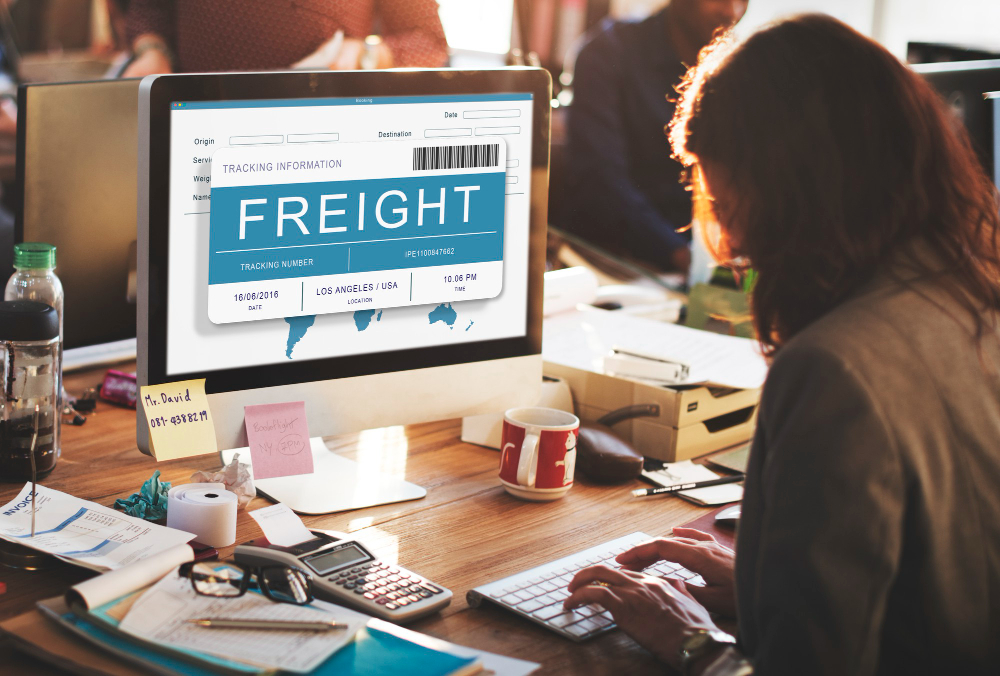
Freight businesses today operate in a high-pressure environment where speed, accuracy, and cost efficiency are critical. Full truckload (FTL) shipping plays a vital role in transporting large volumes of goods across cities, states, and even countries. Unlike partial shipments, FTL requires dedicated trucks, precise scheduling, and seamless coordination between multiple stakeholders.
However, managing full truckload operations manually can quickly become complex. From selecting the right carrier and planning routes to tracking shipments and handling documentation, each step demands attention and accuracy. Even small inefficiencies can lead to delays, increased fuel costs, and dissatisfied customers.
This is where Full Truckload Management Software becomes essential. It helps freight businesses streamline operations, improve visibility, reduce costs, and enhance overall performance through automation and data-driven insights.
In this detailed guide, we will explore everything freight businesses need to know about FTL management software its working process, features, benefits, top solutions, and future trends.
What Is Full Truckload Management Software?
Full Truckload Management Software is a digital solution designed to manage shipments that require an entire truck for transportation. In FTL shipping, one shipment occupies the full capacity of the truck, which makes it ideal for large, high-volume, or time-sensitive deliveries.
This software centralizes all freight operations into one platform, allowing businesses to:
- Plan shipments efficiently
- Select and manage carriers
- Optimize routes
- Track trucks in real time
- Handle billing and documentation
- Analyze operational performance
The primary goal is simple:
To make full truckload operations faster, more efficient, and cost-effective.
How Full Truckload Management Software Works
Shipment Planning and Creation
The process begins with entering shipment details into the system. This includes pickup and delivery locations, load type, weight, and delivery deadlines. The software organizes this data and prepares it for execution.
Carrier Selection and Assignment
The system evaluates available carriers based on factors like cost, availability, route compatibility, and past performance. Businesses can quickly select the most suitable carrier, improving efficiency and reliability.
Route Optimization
Once the carrier is assigned, the software suggests the most efficient route. It considers traffic conditions, road restrictions, fuel efficiency, and delivery timelines to minimize delays and reduce operational costs.
Dispatch Management
Dispatch teams use the platform to assign shipments and communicate instructions to drivers. Automated dispatching reduces manual coordination and ensures smooth execution.
Real-Time Tracking and Monitoring
Using GPS integration, businesses can track truck movement in real-time. Managers receive updates on location, delays, and route changes, improving transparency and control.
Delivery and Proof of Completion
Once the shipment reaches its destination, the system records proof of delivery digitally. This can include signatures, photos, or timestamps, ensuring accountability.
Reporting and Analysis
After delivery, the software generates reports on performance, costs, and efficiency. These insights help businesses optimize future operations.
10 Essential Features of Full Truckload Management Software
1. Freight Dispatch Management
Efficient dispatching ensures that shipments are assigned to the right carrier at the right time. It reduces delays and improves coordination across operations.
2. Real-Time Shipment Visibility
Live tracking provides complete visibility into truck movements. Businesses can monitor progress, identify delays, and keep customers informed.
3. Route Optimization
Advanced routing tools help select the most efficient paths. This reduces fuel consumption, shortens delivery times, and improves overall efficiency.
4. Carrier Management
The software stores carrier details, contracts, and performance history in one place. This simplifies communication and improves decision-making.
5. Fuel Management
Fuel tracking features help monitor consumption patterns, detect wastage, and control costs effectively.
6. Contract and Rate Management
Centralized contract management allows businesses to store and manage agreements with carriers. It also helps compare rates and negotiate better deals.
7. Digital Documentation
Automated documentation reduces paperwork and errors. Invoices, contracts, and shipment records are stored digitally for easy access.
8. Warehouse Integration
Integration with warehouse systems ensures smooth coordination between storage and transportation. This reduces delays and improves supply chain efficiency.
9. Reporting and Analytics
Comprehensive reports provide insights into delivery performance, operational costs, and carrier efficiency.
10. Security and Data Protection
Robust security measures protect sensitive business data and ensure safe transactions.
Benefits of Full Truckload Management Software
Efficient Transportation Management
FTL software acts as a centralized control system, enabling businesses to manage shipments, carriers, and routes efficiently. Real-time updates improve coordination between teams.
Cost Reduction
Optimized routes and fuel monitoring significantly reduce transportation costs. Automated processes also minimize manual errors and administrative expenses.
Improved Delivery Speed
Better planning and real-time tracking ensure faster deliveries, helping businesses meet tight deadlines.
Enhanced Visibility and Transparency
Live tracking and detailed reporting provide complete visibility into operations. This builds trust with customers and partners.
Better Decision-Making
Access to real-time data and analytics allows businesses to make informed decisions quickly.
Increased Productivity
Automation reduces manual workload, allowing teams to focus on strategic tasks, and Fleet Management Software helps streamline operations by centralizing tracking, reporting, and performance management in one system.
Scalability
The software supports business growth by handling increased shipment volumes without compromising efficiency.
Business Impact and ROI
- Cost Reduction: Optimizes routes, reduces fuel usage, and lowers operational expenses.
- Improved Fleet Utilization: Better planning increases truck efficiency and load management.
- Higher Productivity: Automates manual tasks, saving time for dispatch and management teams.
- Faster Deliveries: Real-time tracking and route optimization reduce delays.
- Increased Revenue: More efficient operations allow handling more shipments.
- Better Customer Retention: Reliable service improves trust and long-term business relationships.
- Data-Driven Decisions: Reports and analytics help improve future planning and forecasting.
- Reduced Errors: Automation minimizes manual mistakes in documentation and billing.
- Strong ROI: Operational savings and improved performance deliver long-term financial benefits.
Why Full Truckload Management Software Is Important in 2026
In 2026, freight businesses face increasing competition and higher customer expectations. Fast delivery, transparency, and cost efficiency are no longer optional—they are essential.
FTL management software helps businesses:
- Improve operational efficiency
- Reduce costs
- Enhance customer satisfaction
- Gain a competitive advantage
With rising fuel prices and demand for faster deliveries, adopting smart logistics technology is crucial for long-term success.
Future Trends in FTL Management Software
- AI and Machine Learning
AI will enhance route optimization and predictive analytics, helping businesses make smarter decisions. - IoT Integration
Connected vehicles will provide deeper insights into performance and operations. - Automation
Increased automation will reduce manual intervention and improve efficiency. - Sustainability Tracking
Businesses will focus on reducing carbon emissions and improving eco-friendly operations.
Best Practices for Using FTL Software
- Monitor real-time tracking regularly
- Optimize routes based on data insights
- Maintain strong carrier relationships
- Automate documentation and billing
- Train staff on software usage
- Analyze reports for continuous improvement
Conclusion
Full truckload operations are complex, but with the right technology, they can become highly efficient and profitable.
Full Truckload Management Software helps freight businesses streamline processes, reduce costs, improve visibility, and enhance customer satisfaction. From shipment planning to delivery tracking and analytics, it transforms how freight operations are managed.
As the logistics industry continues to evolve, businesses that invest in advanced FTL management solutions will be better equipped to handle challenges, scale operations, and stay ahead of the competition. Adopting the right software is not just about improving operations; it’s about building a smarter, more efficient, and future-ready freight business.