
The Birth of Mad Happy: Redefining the Purpose of Streetwear
In the modern world of fashion, where most brands chase clout and limited-edition drops Mad Happy emerged with a distinctly human and emotional mission: to create a dialogue around mental health through clothing. Launched in 2017 by four forward-thinking creatives—Peiman Raf, Noah Raf, Mason Spector, and Joshua Sitt—Mad Happy was never just about threads and stitches. It was about stitching people together through optimism, transparency, and vulnerability.
The founders realized early on that the fashion industry often perpetuated perfectionism, superficiality, and exclusivity. Mad Happy was born as a bold counterculture: a streetwear label built on purpose. The name itself is paradoxical—Mad Happy—encapsulating the ups and downs of emotional wellbeing. Instead of hiding pain, the brand leans into it, acknowledging that mental health isn’t binary, but rather a spectrum of experiences we all share.
In a time when conversations around anxiety, depression, and emotional burnout were still largely stigmatized, Mad Happy sought to design not just for the body but for the mind. Its mission? To make the world a more optimistic place, one hoodie at a time.
Clothing with a Conscience: Streetwear That Speaks to the Soul
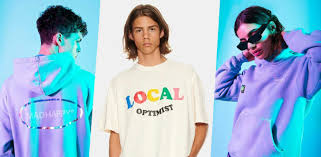
What truly sets Mad Happy apart from the crowd is its deeply intentional approach to design. Every garment is a canvas that communicates something more profound than just aesthetics. Bright pastel tones, playful typography, and slogans like “Local Optimist” or “Mental Health Awareness” aren’t fashion gimmicks—they are invitations to start a conversation.
Their collections often mirror the duality of human emotion. Pieces feature contrasting themes—stormy graphics paired with sunny messages—illustrating that joy and sadness coexist. The brand’s messaging doesn’t shy away from discomfort; rather, it turns vulnerability into a badge of honor. For example, the use of washed-out colors and raw fabric textures reflects the idea that beauty lies in imperfection.
Mad Happy also frequently releases limited capsule collections centered around significant mental health dates like Mental Health Awareness Month or World Mental Health Day. These drops are thoughtfully curated, often paired with educational content and community-based initiatives, emphasizing that this brand walks the walk—it doesn’t just profit off a trend.
The Local Optimist Group: Building a Community Beyond Fashion
Mad Happy goes far beyond being a brand—it functions like a movement. A key component of this movement is their initiative known as The Local Optimist Group, an online and offline community that empowers individuals to share their stories, mental health journeys, and sources of optimism.
The Local Optimist is more than clever branding. It acts as a mental health resource hub offering weekly journal prompts, guided meditations, wellness articles, and self-care practices. Visitors are encouraged to contribute their voices through written reflections, thereby helping create a community anchored in authenticity and hope.
By creating this ecosystem of support and expression, Mad Happy isn’t just pushing products—they’re cultivating connection. In a digital age filled with filters and curated perfection, they are offering a raw, unfiltered alternative that appeals to Gen Z and Millennials alike, who crave realness and resonance.
Collaborations with Purpose: When Influence Meets Intention
Madhappy Hoodie has collaborated with some of the biggest names and institutions in the world—ranging from Nike, LVMH, Columbia University, and even The JED Foundation, a nonprofit that protects emotional health among teens and young adults. But every collaboration is carefully chosen and meaningful, not just a cash grab.
For example, their partnership with Columbia University resulted in a unique capsule that spotlighted research and raised funds for mental health services. Similarly, their collaboration with the NBA included storytelling from players about their own battles with mental wellbeing, showing that vulnerability transcends fame and fortune.
This fusion of fashion, philanthropy, and education redefines what a brand can be. While most brands chase hype, Mad Happy seeks healing. These partnerships work because they don’t dilute the message—they amplify it.
Quality Meets Consciousness: Thoughtful Craftsmanship
While Mad Happy is emotionally rich, it doesn’t cut corners when it comes to quality craftsmanship. Their garments are made using premium cotton blends, French terry fabrics, and ethically sourced materials. The stitching is durable, the fits are relaxed yet structured, and the overall silhouette is elevated streetwear—accessible, yet aspirational.
Their hoodies, often priced in the $150–$200 range, are investments not just in fashion but in self-expression. Customers aren’t just paying for a garment; they’re paying for a message, a movement, and a lifestyle. The brand ensures that each release meets the highest standards—both technically and ethically.
Mad Happy also emphasizes sustainability, releasing seasonal collections instead of fast-fashion weekly drops. Their slower, more mindful production model reflects their overall ethos: good things—and good minds—take time to build.
Celebrity Endorsement Without Losing the Message
Mad Happy has found fans in LeBron James, Gigi Hadid, Dua Lipa, and Jay-Z, among many others. But unlike many streetwear brands, the celebrity validation hasn’t shifted the brand’s focus. In fact, many of these celebrities wear Mad Happy not just because it looks good—but because it means something.
LeBron James has publicly discussed the importance of mental wellness, especially among Black athletes. His visible support of Mad Happy reinforces the idea that this brand resonates across cultures and classes. It’s not about flexing wealth—it’s about wearing your truth.
Unlike brands that ride the wave of celebrity hype and forget their core values, Mad Happy stays grounded. The message always remains at the forefront: mental health matters.
Mental Health Is Not a Trend—It’s the Mission
Perhaps the most admirable thing about Mad Happy is its unwavering commitment to mental health advocacy. They aren’t opportunists—they are activists. A portion of every sale goes to The Mad Happy Foundation, which supports mental health research, therapy programs, and educational campaigns across the U.S.
In a time when terms like “self-care” are often thrown around for marketing, Mad Happy remains sincere. Their blog posts, interviews, and pop-up events are designed to spread awareness and resources—not products. Even their packaging includes affirmations and mental health statistics, turning every purchase into a learning experience.
The founders openly speak about their own struggles with anxiety and depression, proving that leadership and vulnerability can—and should—coexist.
Pop-Ups and Experiences: Immersive Optimism in Action
Mad Happy doesn’t just sell online. Their pop-up stores have become legendary for turning retail into therapy. In cities like New York, Los Angeles, Miami, and London, these events are more than shopping opportunities—they’re immersive experiences that often include free therapy consultations, guided journaling, art therapy workshops, and conversations with mental health experts.
The stores are designed with calming color palettes, soft lighting, and open, inviting spaces to encourage interaction and reflection. Customers leave not just with a hoodie, but with a sense of healing and belonging. It’s a reminder that optimism, like fashion, is something you can wear and share.
The Psychology of Color and Design: A Brand Built on Feelings
Much of Mad Happy’s impact lies in its understanding of visual psychology. The brand carefully chooses color palettes based on emotional impact. Pastels are frequently used to evoke calm, safety, and serenity. Words are thoughtfully chosen to encourage introspection, gratitude, and healing.
Every release is a story—whether it’s a hoodie named “Storms Don’t Last Forever” or a T-shirt that says “It’s Okay to Not Be Okay.” These aren’t just slogans; they are daily affirmations that customers carry with them, on their backs and in their hearts.
By fusing color theory, psychology, and storytelling, Mad Happy doesn’t just sell clothes—it sells feelings. And in an age of emotional fatigue, that makes all the difference.
Looking Ahead: What the Future Holds for Mad Happy
Mad Happy’s trajectory suggests that it is just getting started. With a growing global community, increasingly impactful partnerships, and a loyal fanbase rooted in shared values, the brand is poised to become a leader not only in fashion but in social change.
They’ve proven that you can run a successful business without compromising your values. They’ve shown that fashion can be inclusive, educational, and emotionally intelligent. And most importantly, they’ve helped normalize something the world sorely needed: talking about how we really feel.
As mental health becomes an even more pressing global concern, Mad Happy’s role will only become more vital. The brand stands as a beacon for other companies who aspire to build culture, not just commerce.
Final Thoughts: Mad Happy Isn’t Just Worn—It’s Felt
Madhappy Tracksuit has carved a unique niche in a crowded streetwear landscape by blending fashion with emotional intelligence. It’s not trying to be cool—it’s trying to be real. And in today’s world, that authenticity is the rarest luxury of all.
To wear Mad Happy is to carry a message, to take a stand for mental health, and to live with a little more optimism—even when life feels heavy. It’s not just a brand. It’s a way of being.